Why Migrating Your Data Warehouse to Azure Fabric Should Be a Priority

Your data warehouse holds years of valuable business information. It powers reports, drives decisions, and provides insights into performance. But if it runs on aging technology, you likely face rising costs, slow performance, and limitations that prevent your organization from getting the full value from its data.

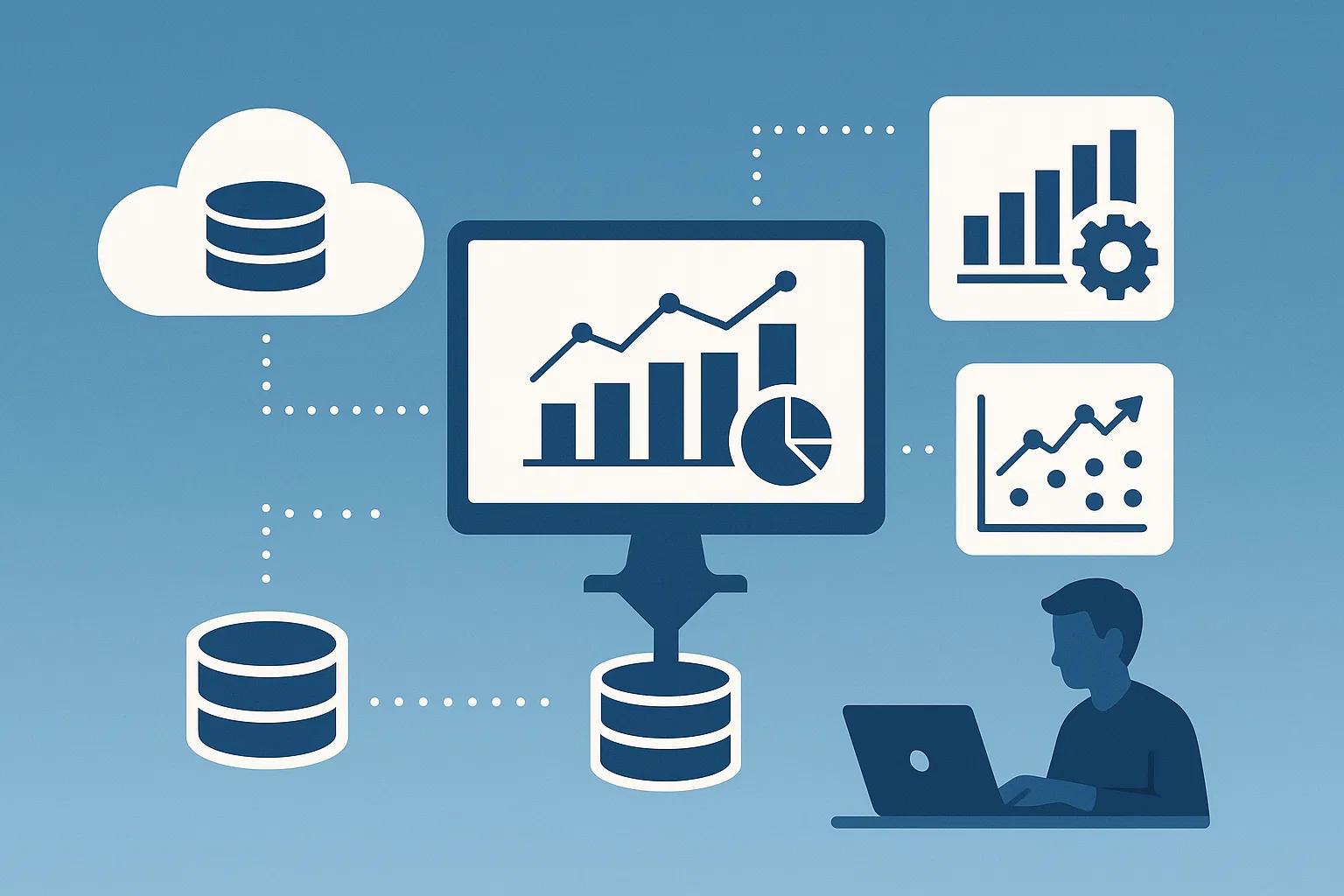
Microsoft Fabric changes that. It unifies data engineering, analytics, storage, and business intelligence into a single platform. Organizations are moving their data warehouses to Fabric because it solves the problems legacy systems can’t—and prepares them for the future.

Challenges With Legacy Data Warehouses

Traditional data warehouses work well for structured data, but they struggle with today’s diverse data needs.

  • Adding new data sources can take weeks.
  • Scaling requires expensive hardware.
  • IT teams spend time maintaining systems instead of improving them.

Legacy systems also isolate your data. Warehouses don’t integrate well with analytics tools. Data scientists, analysts, and operations teams often work in separate systems. Moving data between these environments is slow, which limits your ability to act on insights quickly.

How Microsoft Fabric Helps

Microsoft Fabric brings all your data capabilities into a single, unified platform.

  • Data from many sources
  • Store everything in one place
  • Transform and analyze data without constant movement

Fabric includes data warehousing, data lakes, real-time analytics, and BI tools. It supports all data types and automatically scales as your needs grow. You pay only for what you use—there’s no hardware to maintain or upgrade.

Your teams can spend more time delivering insights and less time on operational overhead. Data platform services built on Microsoft Fabric empower organizations to use their data more effectively.

Reduced Total Cost of Ownership

Running a traditional data warehouse is expensive. You pay for:

  • Hardware
  • Software licenses
  • Maintenance and support
  • Skilled staff to manage the environment

Scaling requires buying more equipment, and outdated infrastructure eventually must be replaced.

With Microsoft Fabric:

  • There is no hardware to purchase or manage.
  • Microsoft handles updates, availability, and security.
  • You adjust capacity based on real usage.

Operational costs drop significantly. Your data teams can focus on strategic work instead of routine maintenance. Over time, these savings become substantial.

Enterprise-Grade Security

Data Warehouse to Azure Fabric

Your data must be protected—both for compliance reasons and business continuity.

Microsoft Fabric includes advanced, built-in security features:

  • Automatic data encryption
  • Granular access controls
  • Continuous monitoring for suspicious activity

When using data platform services built on Fabric, these protections come standard. You do not need separate tools or complex configurations to secure your data.

Enhanced Performance and Scalability

As legacy data warehouses grow, performance declines. Queries slow down. Reports take longer. Adding capacity is costly and disruptive.

Microsoft Fabric eliminates these issues with automatic scaling.

  • When workloads increase, the system instantly allocates more resources.
  • When usage drops, it scales down to save costs.

Your users get consistent, fast performance—without waiting for hardware upgrades or scheduling downtime.

Seamless Integration With Modern Tools

Modern organizations rely on many data sources: cloud platforms, SaaS applications, databases, customer systems, and external data streams.

Legacy warehouses struggle with this variety.

Microsoft Fabric connects directly to hundreds of sources and integrates seamlessly with:

  • Power BI for interactive reporting
  • Azure Machine Learning for predictive analytics
  • Real-time data streams for instant insights

With data platform services built on Fabric, your teams can work with data the way they need to—quickly and efficiently.

Managing the Migration Process

Moving a data warehouse may seem complex, but with experienced guidance, the process is manageable and low-risk.

At SNP Technologies, Inc., we help organizations migrate to Microsoft Fabric through our data platform services. We:

  • Move and validate your data
  • Rebuild pipelines and workflows
  • Optimize your new environment
  • Ensure business continuity during the transition

Our team has successfully delivered complex migrations across industries.

Why Now Is the Right Time to Move

Staying on outdated systems means higher costs, slower performance, and missed opportunities. The gap between legacy platforms and modern cloud solutions continues to widen every year.

Organizations that migrate to Microsoft Fabric benefit immediately:

  • Lower operational spend
  • Faster performance
  • Better tools for analytics and AI
  • A unified data platform ready for the future

Expert Guidance for Your Migration

Migrating your data warehouse to Microsoft Fabric requires planning and technical expertise. You need to understand your current environment, design the target architecture, move data securely, and ensure everything functions correctly after the transition.

At SNP Technologies, Inc., our data platform services help organizations modernize their data estates on Azure. We design, build, and optimize solutions that unify your data, improve performance, and reduce costs.

If you’re considering a move to Microsoft Fabric, talk to us. We can assess your environment and outline what migration would look like for your organization.

What Are Data Platform Services? A Simple Guide for Modern Businesses

Today’s businesses generate massive amounts of data—customer details, sales numbers, inventory updates, operational metrics, and more. But this information often lives in different places: spreadsheets, databases, SaaS applications, on-premises systems, and multiple cloud platforms. Managing it all quickly becomes complex.

Data platform services solve this challenge by bringing everything together.

What Data Platform Services Do

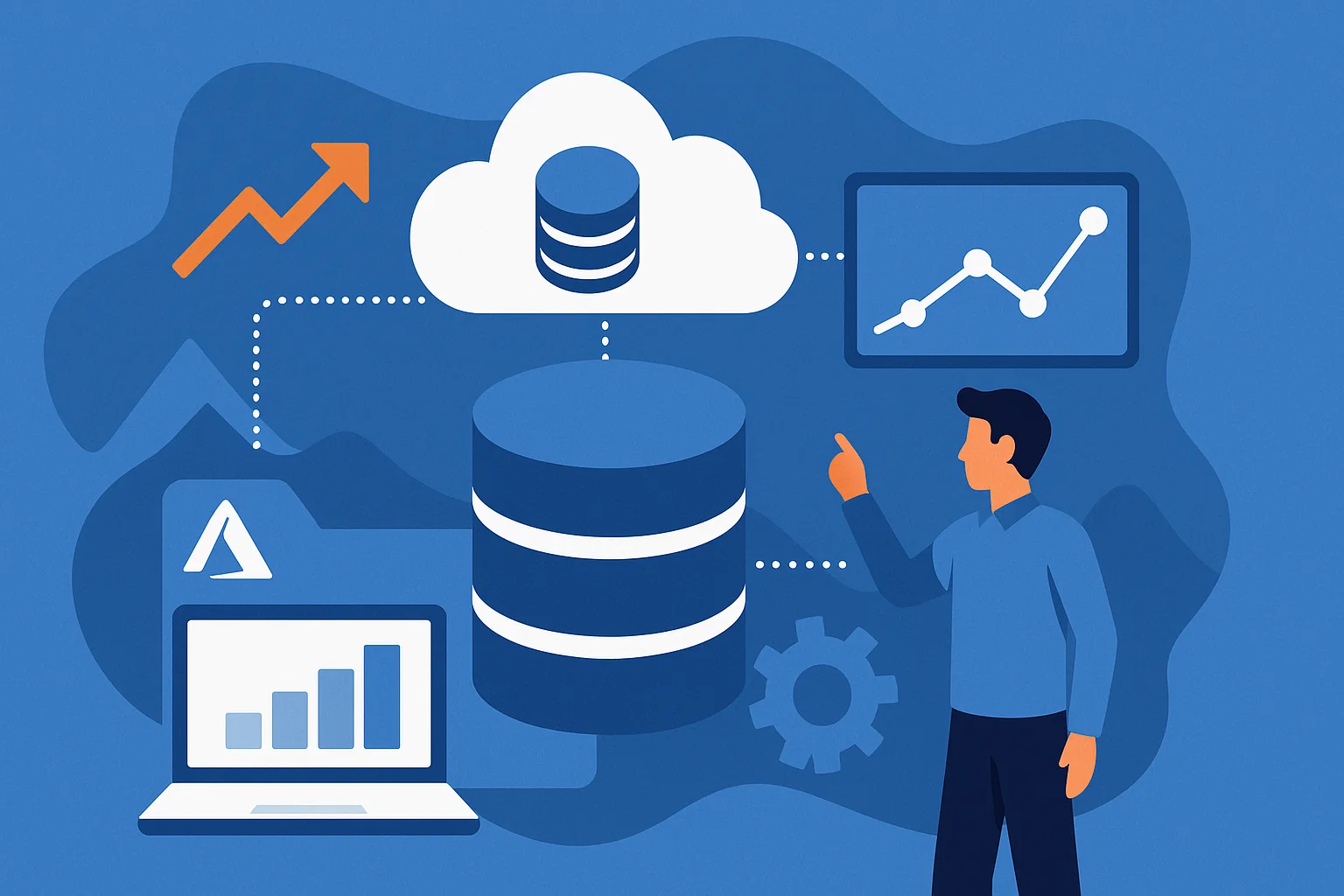
Data platform services unify your information into a single, connected ecosystem. Instead of searching across scattered systems, your data flows into one central platform where it can be stored, organized, secured, and analyzed.

These services handle all the technical heavy lifting—building the infrastructure, integrating data sources, ensuring performance, and protecting your data. You get a scalable, fully managed data environment without having to build and maintain it yourself.

Why Modern Businesses Need This

Data only generates value when it’s accessible and usable. When information is siloed, you lose visibility, miss important relationships, and make decisions based on incomplete insights.

What Are Data Platform Services

Data platform services eliminate these silos. They consolidate all your information into one place so your teams can:

  1. Analyze data holistically
  2. Build better reports
  3. Identify trends and patterns
  4. Make faster, more informed decisions

Security is built in. Encryption, identity controls, and threat detection ensure your data remains protected while still being available to the people who need it.

What Makes Up a Data Platform

A modern data platform includes several core capabilities:

  1. Data Collection: Pulls information from all your sources—apps, databases, files, and more.
  2. Secure Storage: Keeps everything centralized and protected.
  3. Organization & Processing: Structures data so it’s easy to find and use.
  4. Analysis & Reporting: Provides tools for dashboards, insights, and business intelligence.
  5. Data Cleaning: Removes duplicates, fixes inconsistencies, and ensures accuracy.
  6. Scalability: Grows seamlessly as your business, customers, and data volumes expand.

Using Azure for Data Platforms

Many modern data platforms run on Microsoft Azure, which offers enterprise-grade tools for storage, analytics, security, and AI. With Azure, you don’t have to manage hardware or worry about capacity—Azure handles the infrastructure so you can focus on using your data to drive results.

SNP Technologies, Inc. specializes in designing and building Azure-based data platforms tailored to each organization’s needs. We centralize data, modernize architectures, and build secure, scalable systems that support both analytics and AI initiatives.

Real Business Benefits

Implementing a data platform delivers measurable results:

  1. Lower long-term costs by eliminating disconnected systems and reducing manual work
  2. Faster workflows—teams spend less time searching for data and more time using it
  3. More accurate, real-time insights
  4. Improved decision-making across the organization
  5. Better agility to respond quickly to market changes and opportunities

Reports that once took days can be generated in hours. Teams that used to rely on multiple people for answers can now get insights independently.

Getting Started with Data Platform Services

A successful data platform project begins with understanding your current landscape:

  • Where does your data live today?
  • How is it being used?
  • What are your compliance and security requirements?
  • Which insights matter most to your business?

Building a modern data platform also requires expertise in Azure architecture, data engineering, integration, security, and governance—which is why many organizations partner with experienced specialists.

Get Expert Help

SNP Technologies, Inc. builds secure, scalable data platforms on Azure for customers across diverse industries. We integrate analytics, AI, and best-practice security to deliver solutions that align with your business goals.

Ready to unlock the full value of your data?

Reach out to SNP Technologies, Inc. and discover how our data platform services can transform the way your business manages and uses information.

Drive Efficiency, Insight, and Scale with Managed Data Platforms

Data management doesn’t have to be complicated. Yet across industries, organizations continue to face familiar challenges: valuable data trapped in disconnected silos, teams spending more time on maintenance than on extracting insights, and budgets strained by infrastructure that’s either overbuilt or consistently underperforming.

After witnessing countless companies transform their data strategies, one thing is clear—managed data platform services are more than just another IT solution. They’re redefining how businesses manage, access, and think about their data.

Here’s why so many enterprises are making the shift.

Freedom from Constant Maintenance

Ask any IT director about their biggest frustrations, and system maintenance is almost always near the top of the list. This is where managed data platform services create real value. By handling routine but critical tasks—such as system patching, performance monitoring, and troubleshooting—they eliminate the operational burden that often drains time and resources.

The result? Technical teams are empowered to focus on high-impact initiatives that drive business growth. The boost in team morale is tangible, and the business benefits of redirecting skilled talent toward innovation rather than upkeep are impossible to ignore.

Predictable Costs (At Last!)

The traditional approach to data infrastructure often felt like a financial roller coaster. Companies invested heavily in hardware and software licenses, only to discover months later that they had either over-provisioned—wasting valuable resources—or under-provisioned, resulting in performance issues. This unpredictability made accurate budgeting a constant challenge.

Managed data platform services have transformed this model. With a subscription-based approach, organizations can now forecast their data costs with far greater accuracy, enabling more strategic financial planning and resource allocation.

Security That Works

Let’s face it—many companies struggle to keep their data secure. While efforts are made to protect critical information, staying ahead of ever-evolving threats demands specialized expertise that most internal IT teams simply lack the time or resources to develop.

Managed data platform services address this gap with dedicated security professionals whose primary focus is safeguarding customer data. These experts perform regular penetration testing, deploy advanced threat detection systems, and continuously monitor for emerging vulnerabilities—ensuring strong, up-to-date security at all times.

Scaling That Makes Sense

Business data growth is rarely linear. Spikes often occur during marketing campaigns, seasonal surges, or post-acquisition periods—only to stabilize or decline shortly after. Traditional infrastructure forces a tough decision: invest in capacity to handle peak demand (often at a high cost) or build for the baseline and risk underperformance when demand surges.

Managed data platform services eliminate this dilemma. These platforms scale automatically—up or down—based on real-time needs, ensuring performance and cost-efficiency. At SNP Technologies Inc., we understand these scaling challenges firsthand. As a Microsoft Preferred Data & AI Partner with advanced specializations in Analytics and Data Warehouse Migration, we’ve helped countless organizations adopt a smarter, more agile approach to data infrastructure.

Speed to Market That Matters

Speed with Data Platform Service

In today’s fast-paced business environment, opportunities don’t wait for infrastructure to catch up. Across industries, organizations often discover that traditional methods of launching data initiatives involve long lead times—sometimes taking four to six months just to complete initial setup and configuration.

By transitioning to managed data platform services, many enterprises significantly accelerate their implementation timelines. What once took months can now be achieved in weeks—or even days. The business impact is considerable, with many companies reporting that the value generated in the first few quarters of their new data initiatives is enough to offset the entire cost of platform migration.

Advanced Capabilities Without the Learning Curve

Technologies like artificial intelligence, machine learning, and advanced analytics require highly specialized skills that are both expensive and difficult to source. Even large enterprises often struggle to build and sustain these capabilities in-house.

Managed data platform services help level the playing field by democratizing access to these advanced technologies. Organizations of all sizes can now implement sophisticated predictive models and analytics tools—without the need to hire and retain multiple specialized experts. Business leaders frequently point out that these platforms offer capabilities once reserved for large enterprises with deep technical teams, enabling smarter, faster decision-making across the board.

A Better Path Forward

Every company’s data journey is unique. Some organizations may choose to retain certain specialized systems in-house while migrating others to managed services, while others may pursue a full transition. The right approach ultimately depends on your specific business goals and operational needs.

What’s increasingly clear, however, is that organizations achieve better outcomes when their internal teams focus on extracting insights from data rather than maintaining the infrastructure that supports it. Companies that embrace managed data platform services not only improve operational efficiency but also unlock greater agility, innovation, and long-term value from their data investments.

Best Practices for Implementing Data Platform Services in 2025

It’s 2025, and businesses are leaning hard on data to stay ahead. Data platform services—the tools and systems that manage, store, and analyze all that info—are at the heart of this. Setting them up takes thought and clear steps to get right.

Here’s a rundown of the best ways to make it happen, filled with practical advice from solid sources like Microsoft’s data strategies and what’s working out there in the industry.

Start With a Simple Plan

Before jumping into a data platform, every company needs a basic plan. It’s about knowing what the business is after—better customer details, faster reports, or lower costs. Without this, things can go off the rails quick.

Check what’s already in place: what data’s there, where it’s stored (local or cloud), and how it’s used. This points to the right tools—like Azure Synapse or Microsoft Fabric—and sets a timeline. Microsoft and other experts say matching the setup to business goals keeps it all on track and cuts out wasted effort.

Get Data Moving Smoothly

Shifting data to a new system is a big deal, and it’s got to be smooth. Look at the old setup—databases, files, everything—and sort out what’s moving. Some can transfer as-is, while other parts might need a tweak to fit.

Tools like Azure Data Factory pull data from all over and land it safely in the cloud. Testing’s critical—make sure nothing’s lost and the new system works right. Microsoft’s advice is to secure it with encryption and backups during the move, so there’s no chance of trouble.

Set Up Rules to Keep Data in Check

A data platform won’t help much if the data’s a jumble. Rules—known as governance—keep it organized, safe, and ready to use. Decide who can access what, label sensitive stuff (like customer info), and stick to laws like GDPR.

Tools like Azure Purview scan and sort data automatically, saving effort. Regular checks ensure it’s reliable, so teams can trust what they’ve got. Industry reports, like from Gartner, say strong governance is what makes data systems pay off in 2025.

Update Systems With Cloud and Analytics


Cloud and Analytics


Old data setups can hold a business back, so updating them is essential. Cloud options—like Azure—bring flexibility and power, cutting hardware costs and letting systems grow with demand. Adding analytics, especially AI, boosts it further—think spotting trends or predicting customer needs. Microsoft Fabric ties storage, processing, and analytics together, speeding things up. Start small—update one area, test it, then expand—following Microsoft’s tried-and-true steps.

SNP Technologies Inc. nails this. Our data platform services use Azure and AI to shift businesses from outdated systems to ones that deliver, keeping everything running strong and efficient.

Make Sure Teams Know the Ropes

Even the best system falls flat if people can’t use it. Training staff—tech crews, analysts, everyone involved—gets them comfortable with the new tools. It’s more than tech tricks; it’s showing how the data helps their day-to-day. Tools like Power BI let teams share reports easily, boosting teamwork. Microsoft suggests keeping everyone in the loop with updates and chats, so the platform becomes part of the routine, not just a sidelined gadget.

Check and Adjust as It Runs

Once the data platform services are rolling, the job isn’t over. Test speed, security, and accuracy to catch issues early. Tools like Azure Monitor keep an eye on performance, flagging slow spots or hiccups. Then tweak as needed—maybe add storage or tighten security—based on what’s happening. This steady care, rooted in industry know-how, keeps things solid for whatever 2025 brings.

For businesses ready to make this happen, SNP Technologies Inc. is a solid choice. Our expertise in data platform services—from moving data to setting rules—helps turn it into a real advantage. Reach out today—let SNP Technologies Inc. boost your data setup for 2025!